Earlier today I thought about camels while teaching class. One of the reports that are generated by the instrument I am teaching this week has a distinctive double hump pattern. Of course, this would be a Bactrian camel. I have not seen many double hump camels, but I have seen many dromedary camels.
I have written several posts about camels through the years and am thinking about them since I thought of camels earlier today.
One thought is: Why is the camel called the ‘ship of the desert?’
 Some people believe that it is because the camel carries goods and people across the desert.
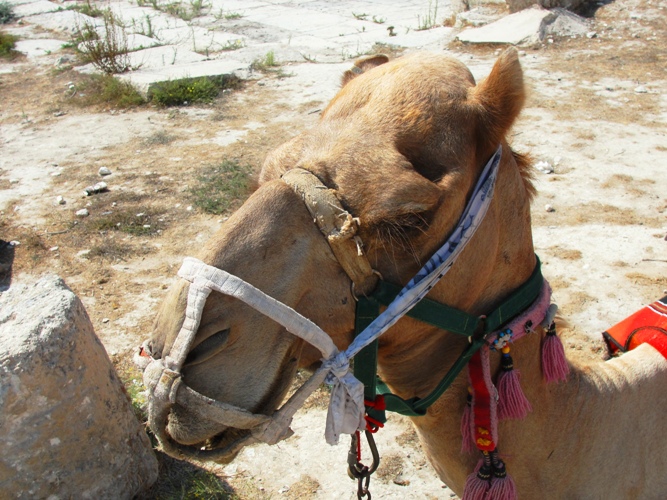 The camel is well designed for traveling in the desert. Especially the head of the camel. You can read more about this in my post: Camel Head
 Here you can see the long legs of a camel I saw at Samaria. The way that the camel moves is actually the origin of the term ‘ship of the desert.’
The camel sways from side to side while it walks and you can get seasick when you ride for an extended period of time. The motion is similar to a ship on the sea.
I used the picture above in my post, Finally Home, I mentioned that I am glad that I don’t have to commute to work on a camel. Especially if it would cause me to be seasick.
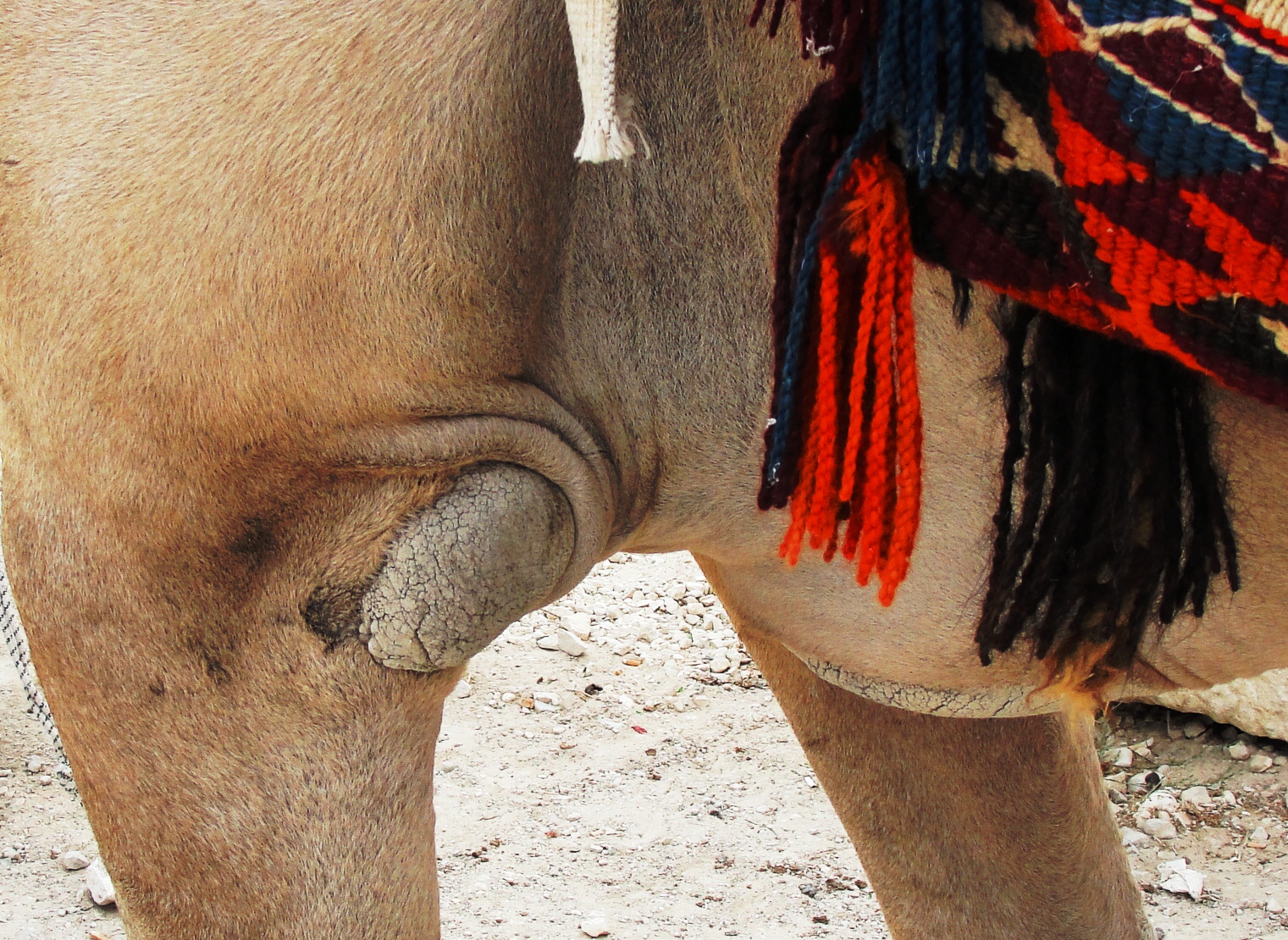 The picture above is from my post on Camel Knees. Is this the knee? Click on the link to find out a little bit about the anatomy of camel legs.
 The post would not be complete without showing a picture of the camel’s hump. I have more information about camel humps in my post: Camel Hump
These pictures were taken at several places around the world. The first one was taken in Kansas, and the last at the Toronto Zoo. The others were taken in Israel.
Steven
 Braman's Wanderings
Earlier
cjsmissionaryministry@gmail.com